


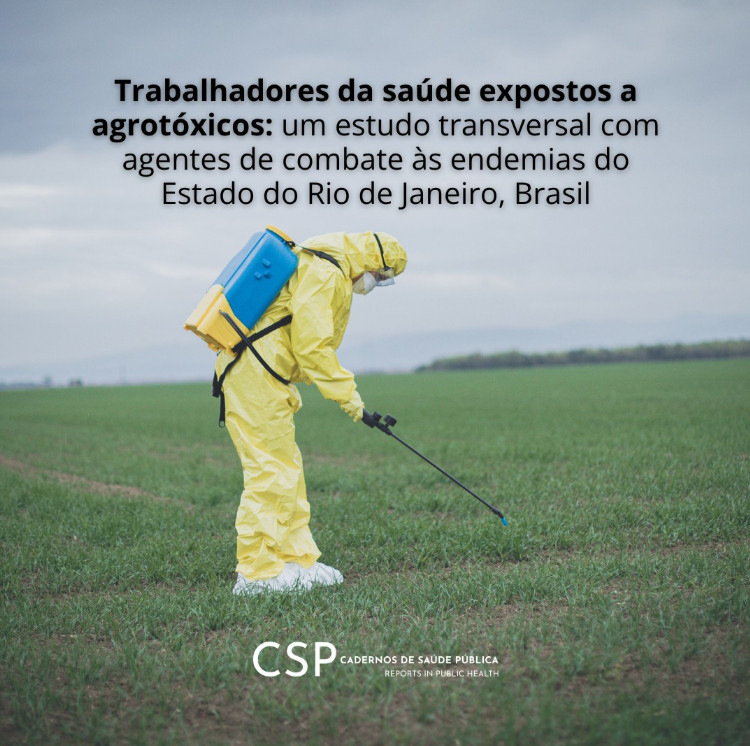
⚠️ A new study published in CSP found that vector control workers in the state of Rio de Janeiro are exposed, both acutely and chronically, to multiple pesticides—including carcinogenic, neurotoxic, and endocrine-disrupting substances—under working conditions marked by inadequate protection and prevention measures.
Among the 606 workers evaluated, more than half reported two or more symptoms typical of poisoning after contact with these products, such as headaches, skin irritations, breathing difficulties, nausea, and dizziness. The study also identified a high prevalence of chronic diseases, mental distress, and a shortage of personal protective equipment.
🦟 The results underscore the urgency of strengthening occupational health surveillance and rethinking vector control strategies that still rely on the intensive use of pesticides. Raising awareness of these conditions is essential to protect those who work daily to prevent disease and promote public health.